← National Institute of Technology Sikkim Department of Civil Engineering
International Conference · Hybrid mode

EcoCivil-2027

International Conference on Sustainable, Smart and Climate Resilient Infrastructure

14–16 June 2027 Venue: Will be updated soon
— days
— hours
— minutes

Conference begins 14 June 2027 (IST)

Organized by
NIT Sikkim
Department of Civil Engineering National Institute of Technology Sikkim
and
SRESA Society for Reliability and Safety

About EcoCivil-2027

An international conference organized by the Department of Civil Engineering, NIT Sikkim, and the Society for Reliability and Safety (SRESA), on how infrastructure can be sustainable, smart and resilient to a changing climate.

Sustainable development is progress that meets the needs of the present without compromising the ability of future generations to meet their own needs, and the use of sustainable technologies is vital to it. EcoCivil-2027 aims to facilitate the exchange of ideas on current research advances and the sharing of experience across the disciplines of civil engineering.

The conference is a platform for academics, technologists, policymakers, industry professionals, research scholars, and PG and UG students to discuss ideas for the benefit of humanity, in person or online.

9 technical
tracks
3 days, 14–16
June 2027
Hybrid online + offline
Blind double-blind
review
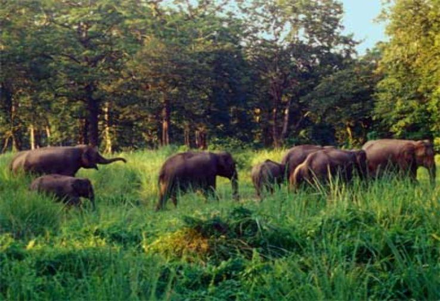
Elephants in a forest landscape

Scope

EcoCivil-2027 spans the many domains of civil engineering, with the aim of promoting sustainable engineering practice. It welcomes cutting-edge research, technological advances and policy work in the theoretical, experimental and applied aspects of sustainable development. High-quality full-length research papers that are not under review, accepted or communicated elsewhere are invited on the conference themes, for potential publication.

Organizing leadership

The conference is led by NIT Sikkim and SRESA with co-chairs from India, the USA, the UK and Poland, and advisory and technical committees drawn from institutions in India and abroad.

Patron & Chairman

Prof. Mahesh Chandra Govil

Prof. Mahesh Chandra Govil

Director, NIT Sikkim, India

Patron and Chairman of EcoCivil-2027.
Co-Chairmen

VS

Prof. (Dr.) Vijay P. Singh

Texas A&M University, USA

Distinguished Professor; internationally known for research in hydrology and water resources engineering.

PV

Prof. (Dr.) Prabhakar V. Varde

Bhabha Atomic Research Centre, India

Nuclear engineer and expert in probabilistic risk assessment; founder and President of the Society for Reliability and Safety (SRESA).

RP

Prof. (Dr.) Raghuvir Pai

Manipal Institute of Technology, India

Professor at Manipal Institute of Technology (MAHE).

GW

Prof. (Dr.) Gerhard Wilhelm Weber

Poznan University of Technology, Poland

Professor known for work in operational research and optimization.

SS

Dr. Shirsendu Sikdar

University of Huddersfield, UK

Senior Lecturer in Mechanical Engineering; works on structural health monitoring and NDE; recipient of the Achenbach Medal for SHM.
Organizing Secretaries

Dr. Anirban Banik

Dr. Anirban Banik

Assistant Professor, Civil Engineering

NIT Sikkim, India
Dr. Krishna Kumar Maurya

Dr. Krishna Kumar Maurya

Assistant Professor, Civil Engineering

NIT Sikkim, India
Dr. Joy Pal

Dr. Joy Pal

Assistant Professor, Civil Engineering

NIT Sikkim, India
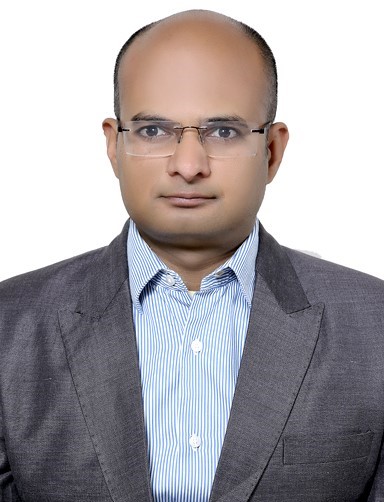
Dr. Ankit Bhardwaj

Dr. Ankit Bhardwaj

Assistant Professor, Civil Engineering

NIT Sikkim, India
International Advisory Committee 13

  • NS
    Prof. (Dr.) N. Sundararajan Nanyang Technological University, Singapore
  • JS
    Prof. (Dr.) Jose Antonio Marmolejo Saucedo Panamerica University, Mexico
  • MK
    Prof. (Dr.) Moonis Ali Khan King Saud University, Kingdom of Saudi Arabia
  • AS
    Prof. (Dr.) Agnieszka Stachowiak Poznan University of Technology, Poland
  • JT
    Prof. (Dr.) J. Joshua Thomas UOW Malaysia KDU Penang University College, Malaysia
  • RB
    Prof. (Dr.) Ravindra Boojhawon University of Mauritius, Mauritius
  • KR
    Prof. (Dr.) Krishna R. Reddy University of Illinois Chicago, USA
  • VG
    Dr. Valina Geropanta Technical University of Crete, Greece
  • VP
    Dr. Vladimir Panchenko Russian University of Transport Moscow, Russia
  • PK
    Dr. Pallav Kumar Cape Peninsula University of Technology, South Africa
  • JS
    Dr. Joanna Sadłowska-Wrzesińska Poznan University of Technology, Poland
  • SS
    Dr. Sanjay Kumar Shukla Edith Cowan University, Australia
  • KR
    Dr. Kshama Roy Memorial University of Newfoundland, Canada

National Advisory Committee 28

  • SB
    Prof. (Dr.) Suresh Bhalla Indian Institute of Technology Delhi, India
  • AM
    Prof. (Dr.) Akhilesh Kumar Maurya Indian Institute of Technology Guwahati, India
  • TN
    Prof. (Dr.) Tarun Kumar Naiya Indian Institute of Technology (Indian School of Mines) Dhanbad, India
  • SD
    Prof. (Dr.) Suman Dutta Indian Institute of Technology (Indian School of Mines) Dhanbad, India
  • RB
    Prof. (Dr.) Rathindra Mohan Banik Indian Institute of Technology (BHU) Varanasi, India
  • BS
    Prof. (Dr.) Baldev Setia National Institute of Technology Kurukshetra, India
  • SS
    Prof. (Dr.) Saraswati Setia National Institute of Technology Kurukshetra, India
  • SK
    Prof. (Dr.) Sunita Kumari National Institute of Technology Patna, India
  • AC
    Prof. (Dr.) Anil Kumar Choudhary National Institute of Technology Jamshedpur, India
  • RS
    Prof. (Dr.) Rama Shanker Motilal Nehru National Institute of Technology Allahabad, India
  • SS
    Prof. (Dr.) Saif Said Aligarh Muslim University, India
  • HC
    Prof. (Dr.) Hemant S. Chore Dr. B.R. Ambedkar National Institute of Technology Jalandhar, India
  • SS
    Dr. Subhamoy Sen Indian Institute of Technology Mandi, India
  • MM
    Dr. Mrinmoy Majumder National Institute of Technology Agartala, India
  • TB
    Dr. Tarun Kanti Bandyopadhyay National Institute of Technology Agartala, India
  • SB
    Dr. Sushant Kumar Biswal National Institute of Technology Agartala, India
  • GK
    Dr. Ganesh D. Kale Sardar Vallabhbhai National Institute of Technology Surat, India
  • AD
    Dr. Animesh Debnath National Institute of Technology Agartala, India
  • AR
    Dr. Anupam Rawat Motilal Nehru National Institute of Technology Allahabad, India
  • VS
    Dr. Varun Singh Motilal Nehru National Institute of Technology Allahabad, India
  • MP
    Dr. Mahendra Kumar Pal Indian Institute of Technology (BHU) Varanasi, India
  • NK
    Dr. Naveet Kaur Principal Scientist, CSIR-CRRI Delhi, India
  • KV
    Prof. (Dr.) Kumar Venkatesh Motilal Nehru National Institute of Technology Allahabad, India
  • VK
    Dr. Vijay Kumar Motilal Nehru National Institute of Technology Allahabad, India
  • HV
    Dr. Hemant Kumar Vinayak National Institute of Technology Hamirpur, India
  • RR
    Dr. Rakesh Ranjan Indian Institute of Technology Roorkee, India
  • RB
    Dr. Ramakrishna Bag Indian Institute of Technology Patna, India
  • RK
    Dr. Rajiv Kumar CSIR-CRRI, Delhi

Technical Committee 15

  • MM
    Dr. Mantu Majumder National Institute of Technology Durgapur, India
  • SD
    Dr. Subrajit Dutta National Institute of Technology Silchar, India
  • VK
    Dr. Vimal Kumar National Institute of Technology Hamirpur, India
  • SK
    Dr. Sanku Konai National Institute of Technology Durgapur, India
  • SS
    Dr. Shaik Mahabu Subhani National Institute of Technology Andhra Pradesh
  • AK
    Dr. Ankush Kumar National Institute of Technology Silchar, India
  • RK
    Dr. Roop Kishor National Institute of Technology Jalandhar, India
  • AS
    Dr. Arnab Kumar Sinha National Institute of Technology Jamshedpur, India
  • RM
    Dr. Rahul Malik Assistant Professor, Dev Bhoomi Uttarakhand University Dehradun, India
  • KS
    Dr. Krishna Kumar Singh Madan Mohan Malaviya University of Technology Gorakhpur, India
  • AP
    Dr. Arjun Prasad Babasaheb Bhimrao Ambedkar University Lucknow, India
  • PS
    Dr. Prasanth S. Vellore Institute of Technology, India
  • AM
    Dr. Ajay Kumar Mandrawalia Motilal Nehru National Institute of Technology Allahabad, India
  • AB
    Dr. Arjit Banik Tripura Institute of Technology Agartala, India
  • SS
    Dr. Sajal Sarkar Sikkim Manipal Institute of Technology, India

Co-Organizing Secretaries 5

  • Dr. Neelanjan Dutta
    Dr. Neelanjan Dutta Assistant Professor, NIT Sikkim, India
  • Dr. Narayan
    Dr. Narayan Assistant Professor, NIT Sikkim, India
  • Mr. Gajendra Singh Shekhawat
    Mr. Gajendra Singh Shekhawat Scientific Officer, NIT Sikkim
  • RK
    Dr. Rajiv Kumar NIT Sikkim, India
  • RM
    Dr. Rahul Malik Assistant Professor, Dev Bhoomi Uttarakhand University Dehradun, India

Organizing Committee 17

  • Dr. Neelanjan Dutta
    Dr. Neelanjan Dutta Assistant Professor, NIT Sikkim, India
  • Dr. Narayan
    Dr. Narayan Assistant Professor, NIT Sikkim, India
  • RK
    Dr. Rajiv Kumar NIT Sikkim, India
  • RM
    Dr. Rahul Malik Assistant Professor, Dev Bhoomi Uttarakhand University Dehradun, India
  • AS
    Dr. Ashish Sharma NIT Sikkim, India
  • SS
    Dr. Sajal Sarkar SMIT, India
  • SK
    Mr. Sumit Kumar NIT Sikkim, India
  • CM
    Mrs. Chanda Moktan NIT Sikkim, India
  • PC
    Ms. Pranisha Chettri NIT Sikkim, India
  • GR
    Mr. Gopi Prasad Rai NIT Sikkim, India
  • NS
    Mr. Nim Norbu Sherpa NIT Sikkim
  • AK
    Mr. Aman Kumar NIT Sikkim
  • DR
    Mr. Deepan Rai NIT Sikkim
  • NT
    Mrs. Neha Thakur NIT Sikkim
  • PS
    Mrs. Priyanka Sharma NIT Sikkim
  • AR
    Mr. Ayush Raj NIT Sikkim
  • KS
    Mr. Kumar Satyam Sarvesh NIT Sikkim

Conference themes & tracks

Papers are invited in the following tracks, including but not limited to the topics listed.

Track 1

Structural Engineering and Resilient Infrastructure

  • Structural health monitoring, diagnosis and rehabilitation
  • Ageing management and safety assessment of nuclear infrastructure
  • Earthquake-resistant design and structural dynamics
  • Blast and impact-resistant structures
  • Advanced computational modelling and structural optimization
  • Resilient infrastructure for strategic and defense applications
Track 2

Water Resources Engineering and Hydro-Informatics

  • Hydrological and hydraulic modelling
  • Computational fluid dynamics (CFD) in water resources engineering
  • Flood forecasting, early warning and disaster risk reduction
  • River engineering, sediment transport and riverbank protection
  • Dam safety and resilient hydraulic infrastructure
  • Smart water management, hydro-informatics and climate adaptation
Track 3

Environmental Engineering and Sustainability

  • Advanced water and wastewater treatment technologies
  • Environmental monitoring and pollution control
  • Radioactive waste management and environmental radiation monitoring
  • Solid waste management and circular economy
  • Climate change mitigation and environmental impact assessment
  • Nature-based solutions and sustainable resource management
Track 4

Geotechnical Engineering and Geo-Disaster Mitigation

  • Advanced soil mechanics and foundation engineering
  • Landslide hazard assessment and slope stabilization
  • Geotechnical earthquake engineering
  • Underground structures, tunnelling and rock mechanics
  • Ground improvement and sustainable geotechnical materials
  • Geotechnical challenges in strategic and high-altitude infrastructure
Track 5

Transportation Engineering and Smart Mobility

  • Intelligent transportation systems and smart mobility
  • Sustainable pavement materials and advanced pavement design
  • Highway and railway infrastructure resilience
  • Transportation infrastructure in mountainous and border regions
  • Geospatial applications in transportation planning
  • AI-enabled traffic management and road safety
Track 6

Remote Sensing, GIS and Geospatial Intelligence

  • Satellite remote sensing and Earth observation
  • GIS-based infrastructure planning and asset management
  • UAV and drone applications in civil engineering
  • LiDAR, SAR and advanced geospatial mapping
  • Geospatial intelligence for disaster monitoring and early warning
  • Digital twins, spatial analytics and terrain modelling
Track 7

Agricultural Engineering and Sustainable Rural Infrastructure

  • Precision agriculture and smart irrigation systems
  • Soil and water conservation engineering
  • Remote sensing and GIS applications in agriculture
  • Climate-smart agricultural technologies
  • Watershed management and rainwater harvesting
  • Bamboo-based technologies and sustainable rural infrastructure
Track 8

Advanced Concrete Technology and Sustainable Construction Materials

  • High-performance and ultra-high-performance concrete
  • Geopolymer concrete and low-carbon cementitious materials
  • Radiation-shielding concrete for nuclear infrastructure
  • Blast-resistant and impact-resistant construction materials
  • Self-healing concrete, nanomaterials and smart composites
  • 3D printing, recycled materials and sustainable construction technologies
Track 9

Artificial Intelligence, Machine Learning and Digital Transformation in Civil Engineering

  • AI and ML applications in civil infrastructure
  • Physics-informed neural networks and computational intelligence
  • Digital twins and predictive maintenance
  • IoT-enabled smart infrastructure monitoring
  • AI-based disaster forecasting and risk assessment
  • Building information modelling (BIM), automation and robotics

Important dates

15 Mar 2027 Last date for full-length paper submission Scheduled
15 Apr 2027 Acceptance notification by email (on or before) Scheduled
30 Apr 2027 Camera-ready paper submission Scheduled
15 May 2027 Early-bird registration closes Scheduled
16 May – 10 Jun 2027 Regular registration Scheduled
14–15 Jun 2027 Spot registration Scheduled
14–16 Jun 2027 EcoCivil-2027 conference Scheduled

Submission guidelines

Faculty members, research scholars, students and scientists from India and abroad are invited to submit original, unpublished research on topics related to the conference. Papers should offer unique insights within the general scope of the conference.

Literature reviews or surveys are considered only if they present novel insights, define the field in a new way, or highlight innovative technologies or research areas.

Paper submission

Link will be provided soon.

Template

The manuscript must follow the conference template format.

Will be provided soon.

Peer review

Every paper undergoes double-blind peer review before acceptance for oral presentation.

Publication & indexing

Registered and selected papers will be submitted for publication in conference proceedings or journal special issues. Publisher and indexing details will be announced on this website.

Registration

At least one author of each accepted paper must register for the paper to be published in the proceedings.

Online mode

Online participation registration fees
Participant category Early bird · INR Early bird · USD Regular · INR Regular · USD
Research scholars / Students ₹5,000 $100 ₹7,000 $150
Academicians ₹7,000 $150 ₹9,000 $200
Industry / R&D professionals / Scientists ₹8,000 $200 ₹10,000 $250
Additional paper per author 50% off 50% off 50% off 50% off

Offline mode

Offline participation registration fees
Participant category Early bird · INR Early bird · USD Regular · INR Regular · USD
Research scholars / Students ₹14,000 $425 ₹16,000 $500
Academicians ₹16,000 $478 ₹18,000 $578
Industry / R&D professionals / Scientists ₹18,000 $585 ₹20,000 $600
Additional paper per author 50% off 50% off 50% off 50% off

Spot registration

Spot registration registration fees
Participant category Indian (INR) Foreign (USD)
Research scholars / Students ₹18,000 $578
Academicians ₹20,000 $600
Industry / R&D professionals / Scientists ₹22,000 $625
Additional paper per author 50% off 50% off

An author presenting a second or further paper gets 50% off, when registering with the same name and email ID. Co-authors who wish to attend must register by paying the full registration fee.
Registration fees are non-refundable.

Registration form & QR code

Registration form

Link and QR code will be provided soon.

Bank details for payment

Account name
DIRECTOR NIT Sikkim
Account no.
31996269106
Bank
State Bank of India
Branch
Ravangla
IFSC
SBIN0007218
SWIFT
SBININBB338

Registration windows

Early bird on or before 15 May 2027
Regular 16 May – 10 June 2027
Spot 14–15 June 2027

Sponsorship

Companies and organizations are invited to advertise at EcoCivil-2027, run workshops, or showcase their technology alongside the conference.

Every sponsor’s logo appears in the brochure, on the conference website and pamphlets, and is acknowledged in the inaugural session. The Platinum sponsor’s logo is highlighted on the front of the banner, website and pamphlets beside the Institute and conference logos. Sponsorship can be paid into the Director’s account listed under Registration.

Venue

Venue: Will be updated soon

Details of the venue, travel and accommodation will be posted here. EcoCivil-2027 runs in hybrid mode, so authors who cannot travel can register in online mode and present remotely.

Rhinoceros in a natural landscape
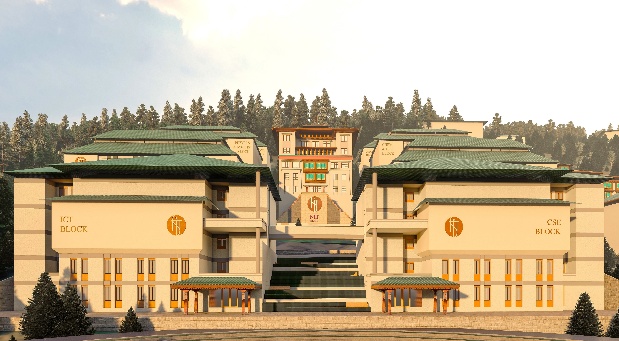
Institute campus image supplied in the conference brochure

About NIT Sikkim

The National Institute of Technology Sikkim is a public engineering and research institution near Ravangla, Sikkim, and one of India’s thirty-one NITs. Declared an Institute of National Importance, it is an autonomous institute under the Ministry of Education, Government of India, and has been functioning since August 2010. It offers Bachelor’s, Master’s and Doctoral programmes in Engineering, Sciences and Humanities.

Department of Civil Engineering

The department offers B.Tech. and Ph.D. programmes built on strong fundamentals and practical, analytical skills. It has modern laboratories and testing facilities, and regularly runs advanced short-term courses, workshops and summer training for technical depth and industry exposure.

Frequently asked questions

Can I present online?

Yes. EcoCivil-2027 runs in hybrid mode. Authors can register in online mode and present remotely.

Do all co-authors need to register?

At least one author of each accepted paper must register. Co-authors who wish to attend and receive a presentation certificate as delegates must pay the full registration fee.

Is there a discount for more than one paper?

Yes. A presenting author receives 50% off for a second and subsequent paper when registering with the same name and email ID.

Where will the papers be published?

Registered and selected papers will be submitted for publication in conference proceedings or journal special issues. Publisher and indexing details will be announced on this website.

Are review papers accepted?

Literature reviews and surveys are considered only when they present novel insights, define the field in a new way, or highlight innovative technologies or research areas.

Can I get a refund?

Registration fees are non-refundable.